Let's be real about timing mismatches
One of you wants to connect at 9 p.m. The other is half-asleep by 10. One partner craves intimacy after a stressful workday. The other needs three hours to decompress first. One is ready Monday through Friday. The other only feels desire on weekend mornings. Sound familiar?
Timing mismatches are one of the most common, least discussed sources of friction in relationships. They're not about incompatibility or lack of love. They're about circadian rhythms, stress cycles, work schedules, and the biological reality that desire doesn't follow a shared calendar. Here's what I've seen in my practice: couples with timing conflicts often abandon intimacy entirely rather than navigate the awkwardness of wanting it at different moments. That's the real problem.
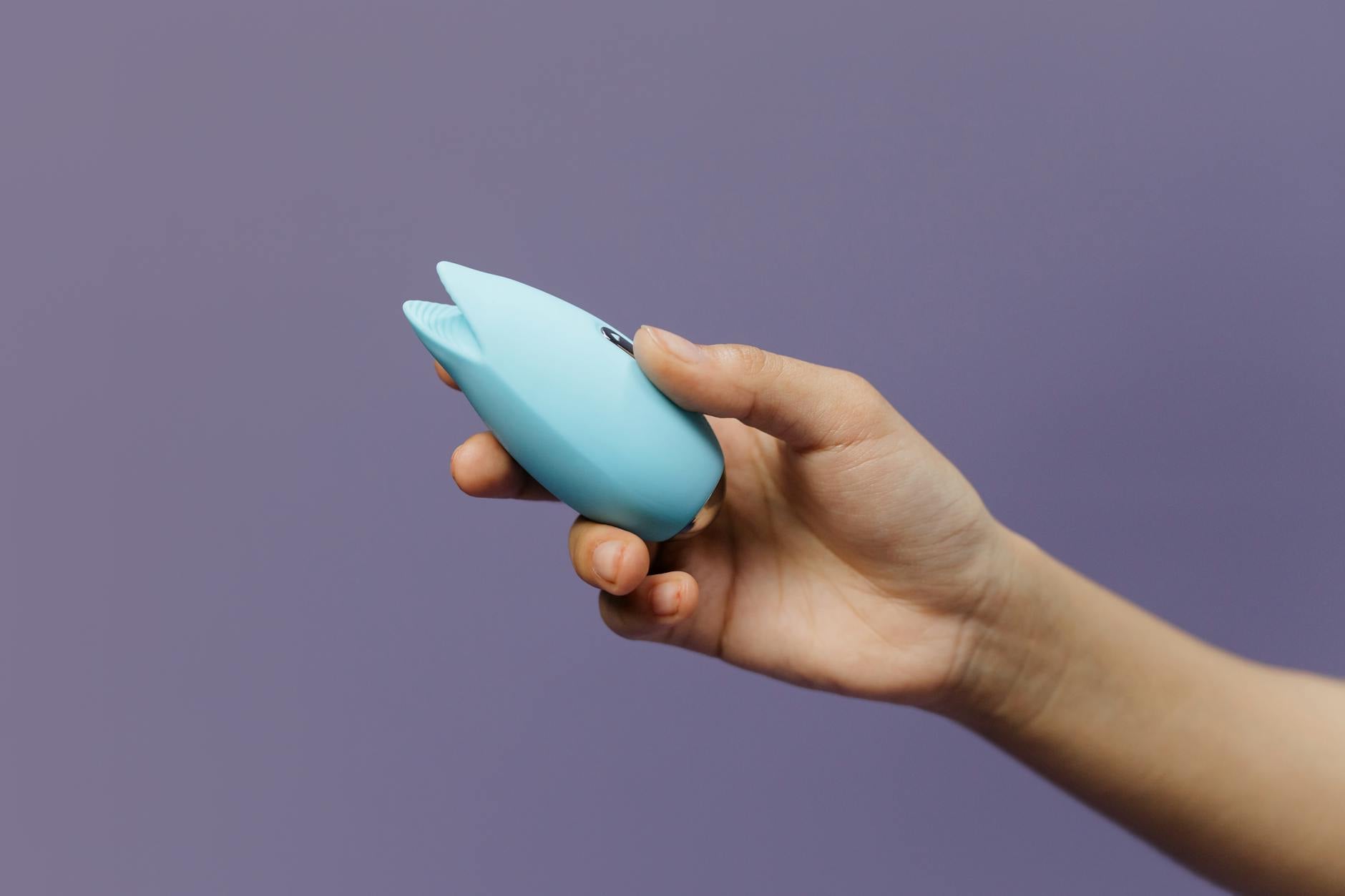
Lemon vibrators and other clitoral toys shift this dynamic entirely. They make intimacy possible outside the traditional "both ready at the same time" framework. That's not a replacement for partnered sex. It's a permission structure that actually works.
Why timing mismatches feel like rejection
When one partner wants sex and the other doesn't feel ready, there's an invisible narrative running beneath the surface. The person who's ready hears "not now" and feels "not wanted." The person who needs more time hears the request and feels pressure. Neither of you is wrong. You're both stuck in a binary: sex happens together or it doesn't happen at all.
This belief system creates a trap. If you wait for perfect timing alignment, weeks pass. Resentment builds quietly. The partner with higher desire starts to feel invisible. The partner with lower or delayed desire starts to feel pursued and guilty. Sex becomes another obligation on a list of obligations neither of you signed up for.
The research backs this up. Couples with mismatched desire timelines report lower sexual satisfaction not because their sex drive is different, but because the anxiety around timing makes sex feel like a negotiation rather than a choice.
How clitoral vibrators solve the timing problem
Here's the straightforward part: if one partner is ready and the other isn't, the ready partner doesn't have to wait. They can use a clitoral vibrator like The Lemon. Solo, together, or in a way that bridges both.
That sounds simple. It is. But the psychology underneath is more powerful than the mechanics. Once you have a tool that lets one person find pleasure without requiring the other person to be ready, the pressure evaporates.
Let me be specific about what happens. Your partner comes home ready for connection. You're not there yet. Instead of that becoming a point of tension, they use their vibrator. You're in the room. You're not performing. You're not obligated. But you're present. Many couples find that watching or knowing their partner is finding pleasure actually shifts something. Pressure dissolves. Presence increases. Often, the less-ready partner finds they become more interested once they're not being asked to perform on someone else's timeline.
You can read more about how to use lemon vibrators when you want deeper connection with a long-term partner for strategies on integrating vibrators into partnered pleasure.
The specific patterns that lemon vibrators address
Pattern 1: The Morning Person and Night Owl
One of you peaks at 6 a.m. The other needs until 11 p.m. to be anywhere near interested. This is biological, not behavioral. Hormones, chronotype, and nervous system state all play a role. A lemon clitoral vibrator lets the early riser find pleasure before coffee. Let the night owl have the evening to decompress. No one is waiting. No one is forcing. That's the win.
Pattern 2: The Work Stress Cycle
One partner carries work stress as physical tension. They need to move, breathe, and decompress before sex feels good. The other compartmentalizes work and shifts into pleasure mode faster. The stressed partner uses their vibrator before bed to wind down. The less-stressed partner uses theirs during that same window. You're both finding release on your own schedule. Sex can happen later if you both want it, but the pressure to sync up vanishes.
Pattern 3: The Recovery Window
You have sex on Saturday night. One partner is ready again on Sunday. The other needs until Tuesday. Instead of the ready partner feeling stranded, they have a tool. They're not resentful on Sunday or Monday. By Tuesday, when you're both ready again, there's no accumulated frustration. You meet with genuine desire instead of obligation.
How to introduce this without it feeling like rejection
The framing matters enormously. Here's what doesn't work: "You're always not in the mood, so I'm going to use my vibrator." That sounds like blame. Here's what does work: "I want pleasure to be possible for both of us even when our timing doesn't match. That means I might use a vibrator sometimes without you, and you might too. That's not about wanting you less. It's about making space for both of our bodies."
The second version is honest about the goal: more pleasure, less pressure. It's not a workaround for a broken relationship. It's a tool for a real one where bodies don't always align.
Start small. Use your vibrator privately a few times. Get comfortable with it. Then, when the timing mismatch happens again, mention it casually. "Hey, I'm pretty turned on right now but I know you're not ready. I'm going to take care of myself. You're welcome to join or just chill." Most partners report feeling relief at that permission structure. No one is forced. No one is disappointed. Everyone gets what they need.
What a lemon clitoral vibrator brings to this specifically
The Lemon and other suction-based clitoral vibrators work differently than traditional vibrators. They use gentle suction rather than vibration, which means they're often faster to pleasure, require less warm-up time, and feel less intense if sensitivity varies. That matters when you're navigating timing mismatches because speed equals less waiting, and customizable intensity means you can find pleasure even when your body state shifts.
If your partner is stressed and their nervous system is tight, a gentler intensity helps them decompress faster. If you're ready to go and want efficiency, higher intensities work just as well. The flexibility is built in. How to choose lemon vibrators when you're starting solo exploration for the first time has more on matching a vibrator to your specific nervous system needs.
The permission structure actually changes the relationship
Here's what I see happen in couples who adopt this approach: the shame around mismatched desire disappears first. Then the resentment follows. Then something unexpected happens. Once pleasure isn't hinged on perfect timing, couples often find they want each other more, not less. The sex that happens when you're both genuinely ready feels better because it's not wrapped in obligation.
You also start to understand each other's bodies in a different way. You see your partner find pleasure on their own terms. That's intimate information. It changes how you touch them later. It removes the pressure to be the sole source of their pleasure. That shift is profound.
When to escalate the conversation
If the timing mismatch is severe, if one partner consistently feels resentful, or if you've tried this approach and it's not landing, that's a sign to bring in support. A sex therapist or couples counselor can help you untangle whether this is about scheduling, stress management, misaligned libidos, or something deeper like unresolved conflict or disconnection. Vibrators are a tool for couples who want to find pleasure together. They're not a fix for a relationship that needs real repair.
But for most couples navigating the ordinary chaos of different schedules and different bodies, lemon vibrators and clitoral toys offer a clear solution: pleasure doesn't have to be synchronized to be real.
FAQ: Timing, toys, and partnership
What if my partner feels threatened by me using a vibrator?
Threat usually signals insecurity underneath. Your partner might fear they're not enough, that you'll prefer the vibrator, or that your pleasure means they're failing. None of those are true, but they feel true to them. Start by separating the vibrator from the relationship. "This isn't about you. It's about my body having options when our timing doesn't match." Invite them into the experience if they're open to it. Sometimes seeing their partner find pleasure shifts the anxiety. If it doesn't, that's worth exploring in therapy, because the underlying insecurity is the real issue, not the toy.
Can using a vibrator solo damage my desire for partnered sex?
No. If anything, the opposite. When pleasure feels available and pressure-free, most people want more of it, including with partners. The research on this is consistent: vibrators enhance, not replace, partnered intimacy. The only exception is if you're using a vibrator to avoid genuine connection or if you're experiencing delayed orgasm from desensitization, which is rare and usually addressable with a different toy or technique.
How do I bring this up without seeming like I'm dissatisfied with our sex life?
Frame it as a logistics problem, not an intimacy problem. "Our schedules don't line up as often as we'd like. I want us both to have pleasure without waiting. That means I'm going to try a vibrator sometimes. I'm not unhappy with us. I'm trying to make more room for both of us to feel good." That's honest and it separates the tool from the relationship health.
What if we use vibrators and then we still don't have sex?
Then you're learning something important. If vibrators don't lead to more partnered sex, the barrier probably isn't timing. It might be emotional distance, unresolved conflict, mismatched libidos that go deeper than scheduling, or genuine life stress that's too heavy for sex to happen alongside. That's worth sitting with. Vibrators are great for logistics. They're not a substitute for the conversation about whether you both actually want sex together.
Should we buy matching vibrators?
Not necessarily. Buy what feels right for each of your bodies. One partner might love The Lemon. The other might prefer something with different stimulation. You're not performing synchronization. You're each finding what works for you. The gift is that you can both access pleasure without waiting for the other to be ready. That's the whole point.
What if we start using vibrators together and realize we don't actually want each other?
That's the real work talking. Sometimes removing the pressure of timing reveals that the underlying connection isn't there, or that there's resentment that needs repair, or that you've grown into different people. A vibrator didn't cause that. It just made the space clear enough to see it. If that happens, you get to choose what comes next. Some couples use that clarity to recommit. Others realize they've changed. Either way, you're working with honest information.
The real shift
Timing mismatches feel like a problem to solve when you believe sex has to be synchronized. Once you accept that pleasure can happen on different schedules, the problem dissolves. Your partner uses The Lemon or another clitoral vibrator when they're ready and you're not. You do the same when the roles reverse. No one waits. No one feels rejected. Sex still happens between you, but now it happens in a frame of choice rather than obligation.
That's not a workaround. That's what actual desire looks like.