Let's start with what's probably going through your head right now
Your orgasms used to feel like lightning. Now they feel like static electricity. Or maybe they disappeared into a gray middle ground where you're not sure if you're finishing or just stopping. You're wondering if your body broke, if you're doing something wrong, or if this is just what your 40s feel like. Here's what I need you to know: orgasm intensity changes for almost everyone at some point. It's not permanent, it's not your fault, and it doesn't mean your pleasure has an expiration date.
What's changed is the pathway to satisfaction, not your capacity for it. And understanding that difference is where everything shifts.
Why orgasms feel different (the actual science)
Orgasm intensity depends on three things working in concert: arousal speed, nerve sensitivity, and pelvic floor engagement. When one of those shifts, the whole feeling changes.
Most commonly, arousal takes longer to build. Instead of a quick ramp up, your body needs 20, 30, sometimes 45 minutes of warm-up before the nerve pathways fully activate. That's not weaker desire. It's a different timeline. But if you're treating it like the old timeline, it feels like the orgasm itself is smaller because you're reaching it from a lower baseline of arousal.
Hormonal changes do this too. Testosterone, estrogen, progesterone shifts all influence how quickly nerves fire and how intensely the pelvic floor contracts during orgasm. After hormonal changes like switching birth control, perimenopause, or even prolonged stress, those neurological patterns reset. The sensation of orgasm becomes quieter, more localized, less full-body.
Nerve sensitivity can also decrease with prolonged stress, depression, or from years of using the same single-sensation stimulation (the body adapts and stops being surprised by the same input).
Here's the good news: none of that is about loss of capacity. It's about recalibrating how you access it.
The intensity trap nobody talks about
Most people chase the intensity they remember. They buy a stronger vibrator, use it more aggressively, push harder, go faster. The logic makes sense. But it almost always backfires.
Why? Because intensity isn't the same as satisfaction. You can have a softer, shorter orgasm that feels more satisfying than a stronger one that left you depleted or numb. And aggressive stimulation often creates the opposite of what you want. It fatigues the nerves rather than waking them up.
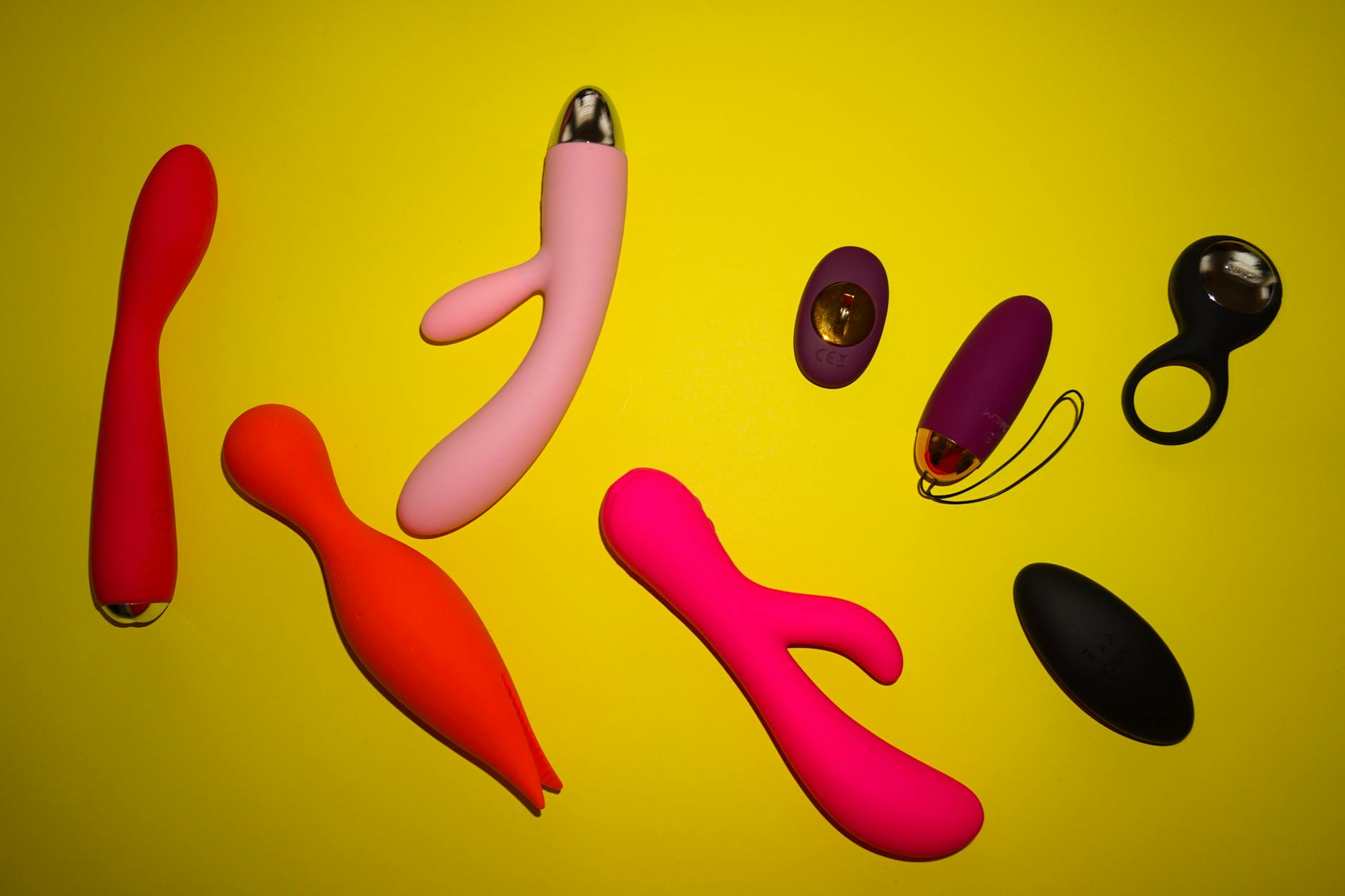
This is where lemon clitoral vibrators change the game. The suction mechanism works differently than traditional vibration. Instead of friction or rattle, suction creates a gentle, sustained pressure that builds sensation gradually and engages a broader neural network. For people whose orgasms have gotten quieter or felt more distant, that deeper, slower activation often restores the full-body feeling they thought was gone.
It's not about chasing intensity. It's about creating conditions where intensity can naturally return.
Rewiring arousal: the warm-up reset
If your orgasms feel weak, the first thing to change isn't your toy. It's your timeline.
Budget 30 to 45 minutes for pleasure. That sounds like a lot, but here's why it matters. Your pelvic floor, clitoral tissue, and the broader network of nerves involved in sexual response need time to shift from rest mode into activation mode. Think of it like tuning an instrument. You can't go straight from off to concert-ready. You need the ramp-up.
Start without any toy. Hands, your partner's hands if you have one, whatever feels good. Let arousal build naturally for 10 to 15 minutes. This isn't foreplay leading to the main event. This is the main event's foundation. Your nervous system is literally priming the neurological pathways for sensation.
Once you're already aroused, introduce a lemon vibrator at its lower settings. The suction creates a different sensation profile than vibration alone, which wakes up nerve receptors that might have been in dormancy. Because suction engages a broader tissue area rather than vibrating one spot intensely, it tends to feel more satisfying and less overstimulating.
Many people find that starting lower and building sensation over 5 to 10 minutes of direct stimulation creates a more rounded, whole-body orgasm than rushing to high intensity.
The positioning piece that changes everything
How you're positioned during orgasm affects how intensely you feel it. This isn't placebo. Your pelvic floor engagement, the blood flow to your genitals, and how your internal tissues align all influence sensation.
If you've been lying flat on your back, try reclining at a 45-degree angle, or on your side, or seated upright. Different angles engage different muscle groups and nerve pathways. When orgasm intensity drops, often a simple position shift reactivates nerve clusters that weren't being engaged before.
With a lemon vibrator, experiment with slight angle changes during use. Some people find that tilting the device slightly or moving it in small circles rather than holding it static creates a more distributed sensation that feels stronger and more satisfying overall.
Your pelvic floor also matters hugely. If you've developed tension or learned to hold it tight during sex (which many people do unconsciously), the muscles can't fully relax and contract during orgasm. That makes the orgasm feel muted. Spend a few minutes before stimulation consciously relaxing your pelvic floor. A few deep breaths, gently releasing the muscles you'd use to stop peeing. That small shift often makes orgasms feel noticeably more intense.
When sensation is truly numb: the desensitization issue
If you've been using the same single toy at high intensity for years, you might not have weak orgasms. You might have desensitized nerves.
Your nervous system is smart enough to tune out repetitive input. It's a survival mechanism. But for pleasure, it means the same stimulation stops working. Many people interpret this as orgasm getting weaker, when what's actually happened is the nerves stopped responding to that specific input.
The fix is variation. Spend a week or two taking a break from vibration altogether. Go back to hands, partner stimulation, whatever feels different. Your nervous system will reset. Then reintroduce a different sensation profile. A lemon vibrator's suction is genuinely different from traditional vibration, which is why many people find it revitalizes sensation after years of using buzz-based toys.
The other piece is intensity cycling. Instead of always using maximum intensity, alternate between medium and high, or low and medium. This prevents adaptation and keeps your nervous system engaged.
The mental side of weaker orgasms
Here's something that rarely gets addressed: if you're worried your orgasms are getting weaker, anxiety itself makes them weaker. It's a feedback loop.
Worry narrows your attention and triggers your sympathetic nervous system (fight-or-flight mode). Orgasm requires the parasympathetic system to be activated (rest-and-digest mode). When you're anxious about performance or intensity, you're literally blocking the nervous system activation that creates pleasure.
This is why presence matters more than technique. If your orgasms feel weaker, spend some time before stimulation getting grounded. Feel your breath, feel your body in the space, notice what's around you. A few minutes of intentional presence shifts your nervous system state and almost always makes sensation feel more vivid.
If performance pressure from a partner is part of this, that's a different conversation. How Lemon Vibrators Help When You Feel Pressure to Perform for Your Partner addresses that more directly.
Building back intensity: a realistic timeline
If you implement these changes, how long before your orgasms feel stronger again?
Usually 1 to 3 weeks if the cause is simple desensitization or positioning. If hormonal factors are involved, it might take 4 to 8 weeks as your system recalibrates. If stress or relationship tension is part of it, the timeline depends on how deep those roots go.
The key is consistency, not intensity. Using a lemon vibrator three times a week with the focus on presence and variation will rebuild sensation faster than using it daily at maximum power while checking your phone.
Many people also find that pairing a lemon clitoral vibrator with a partner during this reset creates accountability and shared presence that accelerates the process. How to Use Lemon Vibrators When You Want Deeper Connection With a Long-Term Partner has more on that dynamic.
When to actually worry
Weaker orgasms are almost always fixable. But there are a few situations where you should check in with a healthcare provider.
If orgasms disappeared entirely and aren't returning after a few weeks of these adjustments, mention it to your GP. Some medications (especially antidepressants, blood pressure meds, and antihistamines) can affect orgasm. A quick conversation might reveal a simple adjustment.
If new pain appeared alongside weaker sensation, get that checked. Pain can train your body to suppress sensation as a protective mechanism.
If emotional numbness is broader (you're not just feeling less in bed, you're feeling less everywhere), that's worth talking to a therapist about. Pleasure changes often mirror emotional changes, and addressing the deeper pattern helps.
Otherwise? This is normal variation. Your body is trying to tell you something about what it needs right now.
Frequently asked questions about weak orgasms
What's the difference between a weak orgasm and not having an orgasm at all?
A weak orgasm still involves rhythmic pelvic floor contractions and a release of tension, but it feels quieter or shorter. No orgasm means those contractions aren't happening at all. If you're unsure which one you're experiencing, the distinction matters for troubleshooting. Weak orgasms usually respond to the adjustments in this post. No orgasm often needs a different approach, like exploring arousal sources or ruling out medication side effects.
Can lemon vibrators actually restore orgasm intensity or are they just a marketing claim?
Lemon vibrators use suction instead of traditional vibration, which engages a broader tissue area and different nerve receptors. For people whose orgasms have gotten quieter, that difference in sensation profile often does restore a feeling of intensity. But the vibrator itself isn't magic. The changes happen because you're pairing a different sensation with the other adjustments (warm-up time, positioning, mental presence). The combination is what works.
Is it normal for orgasm intensity to change across your lifespan?
Completely normal. Hormones shift, stress levels change, medications change, your body changes. Most people experience at least a few periods where orgasm intensity is different. It doesn't mean you're broken or aging out of pleasure. It means your body is responsive and your pleasure is evolving.
Should I just accept weaker orgasms or is it worth trying to rebuild them?
That's entirely personal. Some people are fine with quieter orgasms if they're still satisfying. Others feel like something essential is missing. Neither answer is wrong. But if you want them to feel stronger, they almost always can. The work isn't huge. It's mostly about showing up consistently and paying attention to what your body is actually telling you.
If I've been using vibrators for years at high intensity, can my sensitivity actually come back?
Yes. Your nervous system is plastic, meaning it adapts and re-adapts. Taking a break from vibration for a couple weeks and then introducing a different sensation profile (like a lemon clitoral vibrator's suction) usually restores sensitivity pretty quickly. You don't have to retire your toys forever. You just need to change the pattern.
Does age have to mean weaker orgasms?
Age is a factor, but it's not destiny. Hormonal changes that often come with age can affect intensity, yes. But most of the adjustments that restore sensation (warm-up time, presence, positioning, variation) work at any age. People in their 50s, 60s, and beyond often report some of the most satisfying orgasms of their lives because they've stopped chasing intensity and started paying attention to what actually feels good.
The real issue isn't your body
Weaker orgasms aren't a sign that your pleasure is ending. They're usually a sign that your pleasure is asking you to slow down and pay attention. Your body is telling you that the old map doesn't work anymore and there's a new one to find.
Lemon clitoral vibrators help because they offer a genuinely different sensation. But the real work is shifting your relationship to pleasure itself. Stop chasing the intensity you remember. Start being curious about what satisfaction feels like right now. That shift, more than any toy, is what rebuilds the connection to your own capacity for pleasure.
Resources and references
For more on this topic: "Orgasmic Disorders in Women," Journal of Sexual Medicine (2013) explores how neurological and hormonal factors influence orgasm perception. The Gottman Institute's research on stress and sexual satisfaction shows how presence and emotional connection restore physiological arousal patterns.