Sexual shame isn't about what you've done. It's about the story someone else wrote about your body, your desires, your right to pleasure. Maybe a parent's discomfort, a partner's judgment, a religious upbringing, or a culture that taught you desire itself was dangerous. The specifics vary wildly. The damage feels identical.
Shame doesn't just steal pleasure in the moment. It convinces you that wanting pleasure is inherently wrong. That your body is evidence against you. That exploring sensation means you're broken or selfish or asking for harm. Shame is a liar, but it's a convincing one.
Rebulding sexual confidence after shame isn't about forcing yourself to enjoy things you're afraid of. It's about slowly, methodically proving to your nervous system that pleasure is safe.
When shame is present, your brain's threat-detection system stays hyperactive. You're scanning for danger even during moments designed to feel good. The amygdala, which processes fear, stays activated. This directly suppresses the neural pathways responsible for arousal and orgasm. Physiologically, you cannot relax into pleasure while your body believes pleasure is dangerous.
This is not weakness. This is biology. And it's completely reversible.
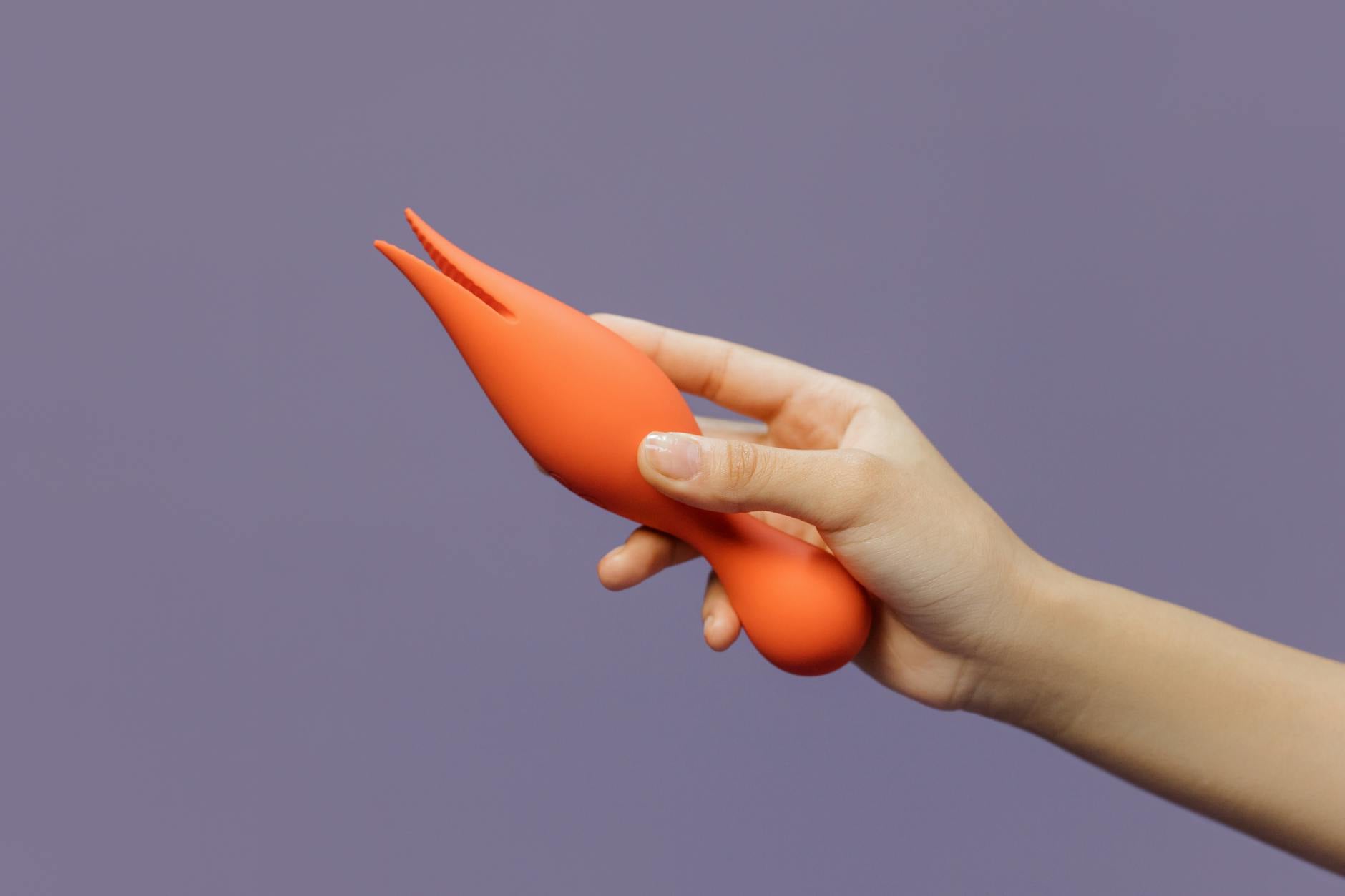
Clitoral vibrators like those from The Lemon Adult Toy offer a particular advantage here because they bypass some of the cognitive noise. Shame often gets louder when we're relying on fantasy or imagination. Direct, gentle physical stimulation can anchor you in sensation rather than story. The vibration becomes a tether to the present moment instead of to old narratives.
But first you have to give yourself permission to try.
Honestly? Your first goal isn't orgasm. It isn't sensation. It's permission.
Permission looks like this: alone time with no performance pressure. No goal. No expectation that anything should happen. Most people rebuilding after shame have spent years with their body on lockdown, so your job initially is just to practice being in your body without judgment.
Set a boundary with your space. Phone on silent. Door locked. You're not doing this to earn anything or prove anything. You're doing it because your body deserves curiosity instead of contempt.
Spend the first few sessions just touching yourself non-sexually. Noticing temperature, texture, pressure. Where does your body feel safe? Where does it tense up? The tension tells you where shame is still living. This information is valuable. It's not failure.
When you're ready to introduce a clitoral vibrator, start with the lowest setting. The Lemon vibrator has multiple intensity levels for exactly this reason. Your nervous system is healing, and abrupt intensity can feel threatening even when your conscious mind knows it isn't.
Use water-based lubricant. This serves two purposes: it reduces friction that might feel aggressive to healing tissue, and the ritual of applying it adds a layer of intentionality and care to the experience. You're not rushing. You're preparing.
Start by holding the vibrator against your inner thigh or labia without turning it on. Let your body register this as safe. Then turn it on at the lowest setting and hold it a few inches away. The vibration travels, but it's indirect. Your nervous system gets data that says "this is gentle" rather than "this is intense."
Many clients find that using lemon sexual toys this way, very gradually increasing proximity and intensity across multiple sessions, teaches their body that pleasure is predictable and controllable. You're not being ambushed by sensation. You're in charge.
Here's what shame convinced you: your desire is the problem.
Here's what's actually true: shame's interpretation of your desire is the problem.
While you're rebuilding somatically (in your body), you also need to rebuild cognitively (in your mind). This means examining the specific stories shame told you and gently questioning them.
Shame often says one of these things:
"You're selfish for wanting this."
"Your body is shameful for wanting this."
"Good people don't want this."
"If you want this, something is wrong with you."
Each one is worth unpacking. What would happen if the opposite were true? What if your desire is actually evidence that you're alive and embodied and healthy? What if the problem was never your body, but the environment that told your body it was wrong?
This cognitive work doesn't erase the somatic healing you're doing. They run parallel. Both are necessary.
If you're in a relationship, the question of whether and when to involve your partner comes up. Here's my framework.
Do not bring a partner into this work until you have reclaimed your own comfort with your body. Not because partners are the enemy (though shame often disguises partner-related hurt as body shame). But because your partner's presence will inevitably activate some of the old threat-detection patterns. You need baseline safety with yourself first.
Once you've spent several weeks alone and your nervous system is registering that clitoral vibrators and solo pleasure are safe, then you can consider a partner conversation. That conversation shouldn't be "I want you to watch" or "I want you to participate." It should be "I'm rebuilding my relationship with my own pleasure, and I need you to know that. I'm not asking you to do anything right now. I'm asking for your patience."
A partner who responds with curiosity or support is a good sign. A partner who responds with discomfort or pressure is teaching you something important about whether the relationship itself needs healing.
Sometimes midway through a solo session, old memories surface. Your body goes tense. Panic sneaks in. This isn't failure. This is healing happening.n
When this occurs, pause. You're not broken. Your nervous system is processing.
Here's what helps: ground yourself in the present moment through sensation. Feel your feet on the floor. Notice the texture of whatever you're sitting on. Name five things you can see. This pulls you out of the nervous system's panic response and back into the present, where you are actually safe.
Then make a choice: continue slowly, or stop for today. Both are fine. The goal is to prove to your body that you're in control. Stopping when you need to demonstrates that.
Many people benefit from working with a therapist who specializes in trauma or shame while doing this physical work. The combination of somatic healing and talk therapy is more effective than either alone. If your shame is connected to abuse or significant trauma, professional support matters.
Shame thrives in performance. It loves the question "Am I doing this right?" Because there's no right. There's only your body, your pace, your comfort.
When you're using lemon vibrators to rebuild after shame, let curiosity be your guide instead. What does this feel like? What intensity is pleasant versus overwhelming? What patterns of touch make my body feel relaxed? What makes my nervous system go on alert?
You're collecting data. You're learning your own body as if for the first time, which in some ways you are. The body you're in now is not the body shame was controlling. It's yours.
You'll notice it in small ways. Your shoulders relax during a session. You stop apologizing to yourself for wanting pleasure. You go from "I'm forcing myself to do this" to "I'm curious about this." One day you realize you didn't check the time once.
These moments matter. They're proof that shame's story is losing its grip. This is the actual work of healing happening in real time.
As your confidence builds, you can explore different settings on the lemon clitoral vibrator, different techniques, different times of day. You can start thinking about partner involvement if that's something you want. You can notice what actually brings you pleasure versus what shame told you should bring you pleasure.
These are not small things. You're reclaiming territory shame occupied. That's revolutionary.
There's no fixed timeline. Some people notice shifts in weeks. Others take months. What matters is consistency and self-compassion, not speed. Healing isn't linear. You might have sessions where everything feels easy, then ones where old anxiety returns. That's normal. The trajectory matters more than the timeline.
Completely normal. Many people internalize messages that pleasure is sinful, and those messages don't disappear just because your conscious mind knows they're not true. The guilt is a symptom of old programming, not evidence that you're doing something wrong. Using clitoral vibrators is a form of self-care and reclamation. Your body deserves that care regardless of what you were taught.
Both paths work, but they work at different speeds. Solo work is powerful and accessible. Therapy with someone trained in shame and trauma can accelerate the process and help you untangle specific stories more deeply. Consider it an investment, not a necessity. If your shame is connected to abuse or serious trauma, professional support is genuinely important.
That's a separate conversation that might need professional mediation. A partner who dismisses your healing or feels threatened by your reclaimed pleasure is showing you something about the relationship that deserves attention. Healthy partners support autonomy and self-discovery. If yours doesn't, that's worth exploring with a couples therapist.
Your nervous system tells you. If you feel calm curiosity, you're in the right zone. If you feel pressure or force, you've gone too far. There's no "enough" in this work. There's only your own pace. Trust it.
Shame can leave grooves in your nervous system that take time to rewire. You might notice echoes of old shame in new situations. That doesn't mean you've failed at healing. It means shame is old, and rewiring old neural pathways takes repetition. Each time you choose pleasure and it goes well, you're building new pathways. Eventually the new ones become the default.
Rebulding sexual confidence after shame is one of the most quietly brave things you can do. You're not fighting someone else. You're fighting a story so old you forgot you didn't write it. Every time you use a lemon clitoral vibrator with curiosity instead of judgment, you're proving shame wrong.
Your pleasure is not selfish. Your body is not shameful. Your desire is not dangerous. These aren't nice sentiments. They're facts. Healing is just the process of believing them in your nervous system, not just your head.
If you want support navigating relationship dynamics while you do this work, or if you're struggling to know where to start, reach out. That's what we're here for.