When tension becomes the barrier
Your pelvic floor is a muscle. Like any muscle, it can tighten up. The difference is that a tight pelvic floor doesn't just ache. It kills sensation, blocks blood flow to the clitoris, and makes orgasm feel impossible even when you're aroused. Many people don't realize tension is the problem. They assume they've lost desire or capacity. They haven't. The muscle just needs to learn how to relax.
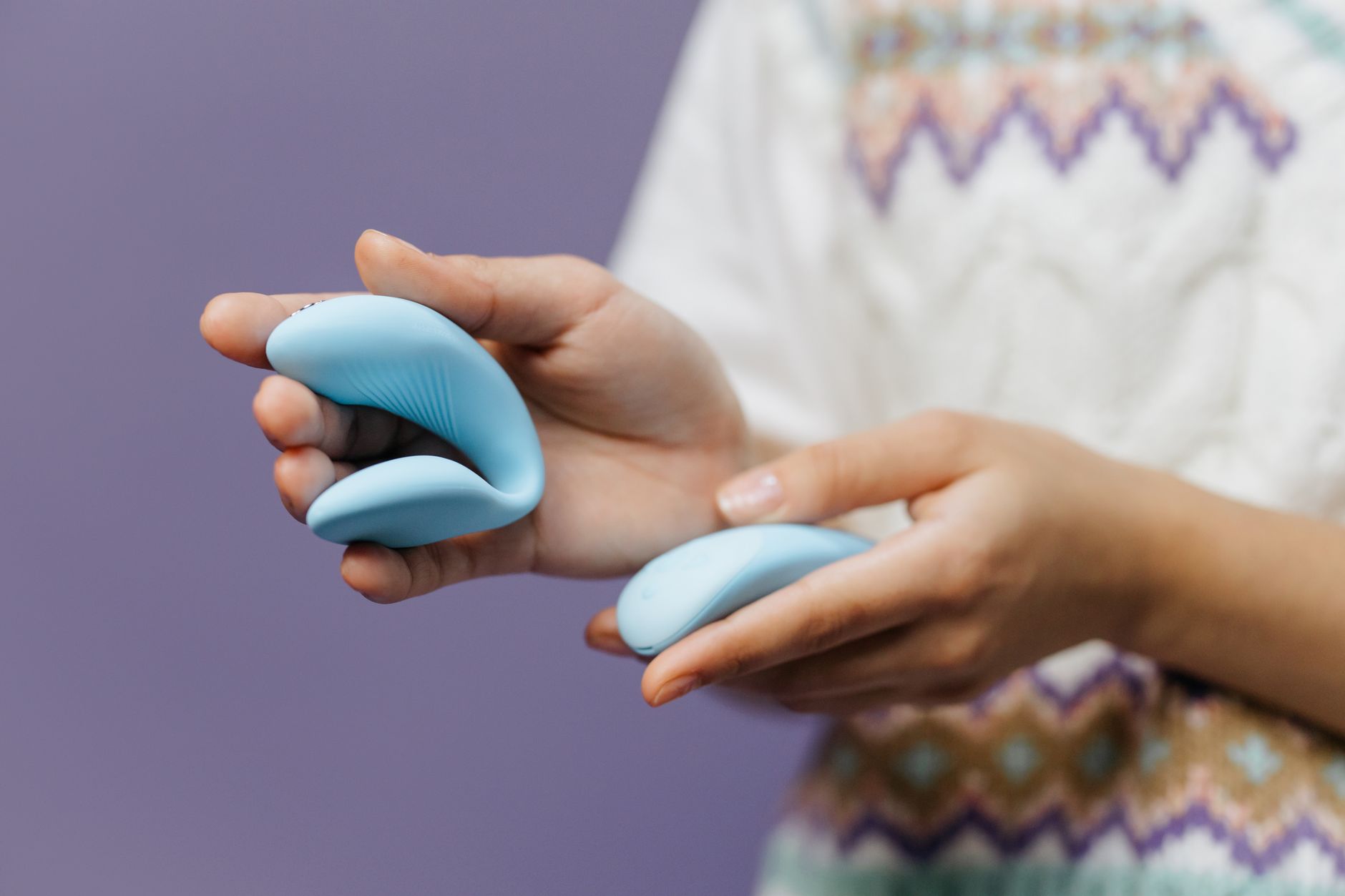
This is where lemon clitoral vibrators change the game. The suction-based stimulation of lemon vibrators works differently than vibration alone. It engages nerve endings without requiring the intense friction that a tight pelvic floor can't handle.
Why pelvic floor tension kills pleasure
Your pelvic floor supports your bladder, uterus, and bowel. It also wraps around the base of the clitoris and vagina. When tension builds—from stress, trauma, sitting too long, childbirth recovery, or even just holding anxiety in your body—the muscle contracts and stays contracted. This does three things to pleasure:
1. It reduces blood flow. Arousal depends on blood flooding the clitoris and vulva. A tight pelvic floor acts like a clamp, restricting circulation. Everything feels numb or distant.
2. It blocks sensation. The nerves that deliver pleasure need the muscle to stay relaxed. Tension muffles the signal. You can be mentally aroused and physically feel almost nothing.
3. It prevents the reflex orgasm needs. An orgasm requires a rhythmic release and re-contraction of the pelvic floor. If it's locked tight, that rhythm can't happen. You get stuck in a plateau—aroused, but unable to move forward.
Most people respond by trying harder, tensing more, and making the problem worse. It becomes a feedback loop.
How lemon vibrators fit into recovery
Lemon vibrators use air-suction technology instead of pure vibration. That matters for a tight pelvic floor because suction creates a gentler, broader wave of stimulation across the clitoris. It doesn't require the intense, focused friction that makes an already-tense muscle panic and clench harder.
Here's what happens when you use a lemon clitoral vibrator with a tension-recovery mindset:
The suction pattern stimulates the thousands of nerve endings in the clitoris without triggering a defensive contraction. Your pelvic floor feels permission to soften instead of bracing. Over time and repeated use, your nervous system learns that pleasure doesn't require gripping. That's the rewiring you need.
The actual steps to use lemon vibrators safely
Step 1. Start with awareness, not arousal. Before you do anything sexual, spend 2-3 minutes lying on your back with your hand on your lower belly. Breathe in for four counts, hold for four, exhale for six. Feel where you're holding tension. The goal isn't to make it disappear. It's to notice it. Awareness comes first.
Step 2. Use the lowest setting. The Lemon's pulsing patterns start gentle. Begin at pattern one. You're not chasing sensation yet. You're teaching your pelvic floor that stimulation doesn't mean threat.
Step 3. Apply suction, then pause. Don't hold continuous contact. Apply the lemon vibrator for 10 seconds, then release. Wait 5 seconds. Apply again. This rhythm prevents habituation and gives your pelvic floor micro-opportunities to relax between stimulations.
Step 4. Focus on relaxation, not orgasm. This is counterintuitive but essential. If you're outcome-focused (chasing the orgasm), your nervous system tenses. Instead, aim for a state where you notice your pelvic floor softening. That's the win. Orgasm may follow naturally. It may not happen today. Both are fine.
Step 5. Combine with intentional breathing. When you feel tension rising, breathe out longer than you breathe in. Exhale for six or seven counts. This triggers your parasympathetic nervous system and signals safety to your pelvic floor.
The role of pelvic floor physical therapy
If pelvic floor tension is severe, you might benefit from working with a pelvic floor physical therapist alongside using lemon vibrators. A PT can teach you how to identify and release tension patterns that exist even when you're not being sexual. They might use internal massage, stretching routines, or biofeedback tools that show you exactly when your pelvic floor is relaxing.
Lemon vibrators aren't a replacement for that work. They're a complement. The vibrator helps you practice relaxation in a pleasurable context. Physical therapy teaches you the mechanics. Together, they work faster.
What recovery looks like (realistic timeline)
You won't retrain your nervous system in one session. Expect 3-4 weeks of regular use before you notice real shifts. Some people feel the difference in two weeks. Others take two months. Consistency matters more than intensity.
Week one might feel like nothing is happening. Your pelvic floor is still suspicious. Week two, you might notice sensation returning—the clitoris feeling more awake. Week three, orgasm might start to feel possible again. By week four, many people report that pleasure feels present without the constant mental effort to relax.
The key is not abandoning the practice once you feel better. Keep using lemon vibrators at least 2-3 times per week. Your pelvic floor will remember how to tighten if you stop reinforcing the relaxation pattern.
Why suction works better than vibration alone
Standard vibrators deliver pleasure through rapid back-and-forth motion. That can actually trigger pelvic floor tension in someone already struggling with it. The clitoris has about 8,000 nerve endings packed into a tiny area. Intense vibration can feel overwhelming if your nervous system is already in a stress state.
Suction stimulates those same nerves but with a different pattern. It's more like a gentle vacuum pulling and releasing rather than tiny vibrations hammering. For many people recovering from pelvic floor tension, it feels safer and more accessible. How Lemon Vibrators Help When You Feel Pressure to Perform for Your Partner covers similar nervous system dynamics in a relationship context—same principles apply to your relationship with your own body.
Breathing patterns that actually help
You've probably heard "just relax." Useless advice. Here's what actually works:
Box breathing. Inhale for four counts, hold for four, exhale for four, hold for four. Repeat this pattern for two minutes before using your lemon vibrator. It calms your autonomic nervous system and signals to your pelvic floor that safety is available.
Extended exhale breathing. During stimulation, if you feel tension rising, switch to a longer exhale. Breathe in for four counts, out for seven. The longer exhale activates your vagus nerve and pulls your nervous system out of fight-or-flight mode.
Pelvic floor breathing. Some pelvic floor PTs teach people to "breathe into" their pelvic floor—imagining the breath traveling down and creating space in that area. Pair this with your lemon vibrator use. It reinforces the message that relaxation is the goal.
The emotional component (because it matters)
Pelvic floor tension is often a symptom of something deeper. Stress, relationship conflict, past sexual trauma, or even just accumulated pressure from modern life gets stored in this muscle. You can use a lemon clitoral vibrator perfectly and still struggle if you're carrying unprocessed anxiety or shame about pleasure.
This is why pairing physical practice with emotional work helps. If you're noticing your pelvic floor tightens every time you try to access pleasure, that's information. Your nervous system is telling you something doesn't feel safe. Address that directly—through therapy, conversation with a partner, or journaling—while also using the lemon vibrator to slowly reprogram the physical reflex.
Many people find that once they work through the emotional layer, the physical relaxation happens faster.
FAQs
How do I know if pelvic floor tension is my actual problem?
You feel aroused mentally but sensation feels distant or blocked. Orgasm might have been easy before but now feels stuck. You might also notice you're holding your breath during sex or clenching your thighs involuntarily. A pelvic floor physical therapist can confirm with a simple internal assessment, but honestly, if you try the relaxation-focused approach with a lemon vibrator and things improve, tension was likely the issue.
Can I use regular vibrators or does it have to be a lemon vibrator?
You can experiment, but suction-based vibrators like the Lemon tend to work better for tension recovery. Standard vibrators deliver fast vibrations that can feel overwhelming. The Lemon's pattern is broader and gentler, which most people with tight pelvic floors find more accessible and less triggering.
What if I still can't orgasm after using lemon vibrators consistently?
Tension might not be the only factor. Medications, hormonal shifts, relationship dynamics, and past trauma can all block orgasm independently. If you've done 4-6 weeks of consistent, relaxation-focused practice and nothing shifts, talk to a healthcare provider or sex therapist. They can help identify what else might be in play.
Is it normal for lemon vibrators to feel intense at first?
Yes. If your pelvic floor is really tight, even gentle suction might feel like too much initially. Start at pattern one and keep sessions short—5-10 minutes. Your nervous system needs time to recognize that this is safe. Intensity will naturally feel less intense once your pelvic floor starts trusting the stimulus.
Should I use lemon vibrators with a partner or alone?
Start alone. You need zero pressure and zero performance expectations. Once you've spent a few weeks rebuilding your own sense of pleasure without an audience, partnered use becomes easier. Many people find that their pelvic floor stays more relaxed in partnered contexts once they've already retrained the reflex solo.
Can pelvic floor tension come back?
Yes, if you're under high stress or stop using the lemon vibrator regularly. Think of it like physical fitness. You need to maintain it. That doesn't mean daily use forever—2-3 times per week is usually enough to keep your pelvic floor remembering how to relax. If life gets intense and tension returns, you know how to address it.
The longer game
Recovering from pelvic floor tension isn't sexy. It's patient, methodical, and for the first few weeks, it might feel like nothing's happening. But the payoff is real. People who work through this consistently report that pleasure becomes available again—deeper, more relaxed, and more sustainable than before.
Your pelvic floor isn't broken. It just learned to protect itself. A lemon vibrator, combined with breathing work and maybe some professional guidance, teaches it that pleasure is safe. That's the whole game. Start with awareness, add gentle stimulation, practice relaxation, and give your body time. That's how you get your pleasure back.
If you're stuck, reach out. Contact us for guidance on next steps, or explore our full library of resources to deepen your understanding of how your body works.