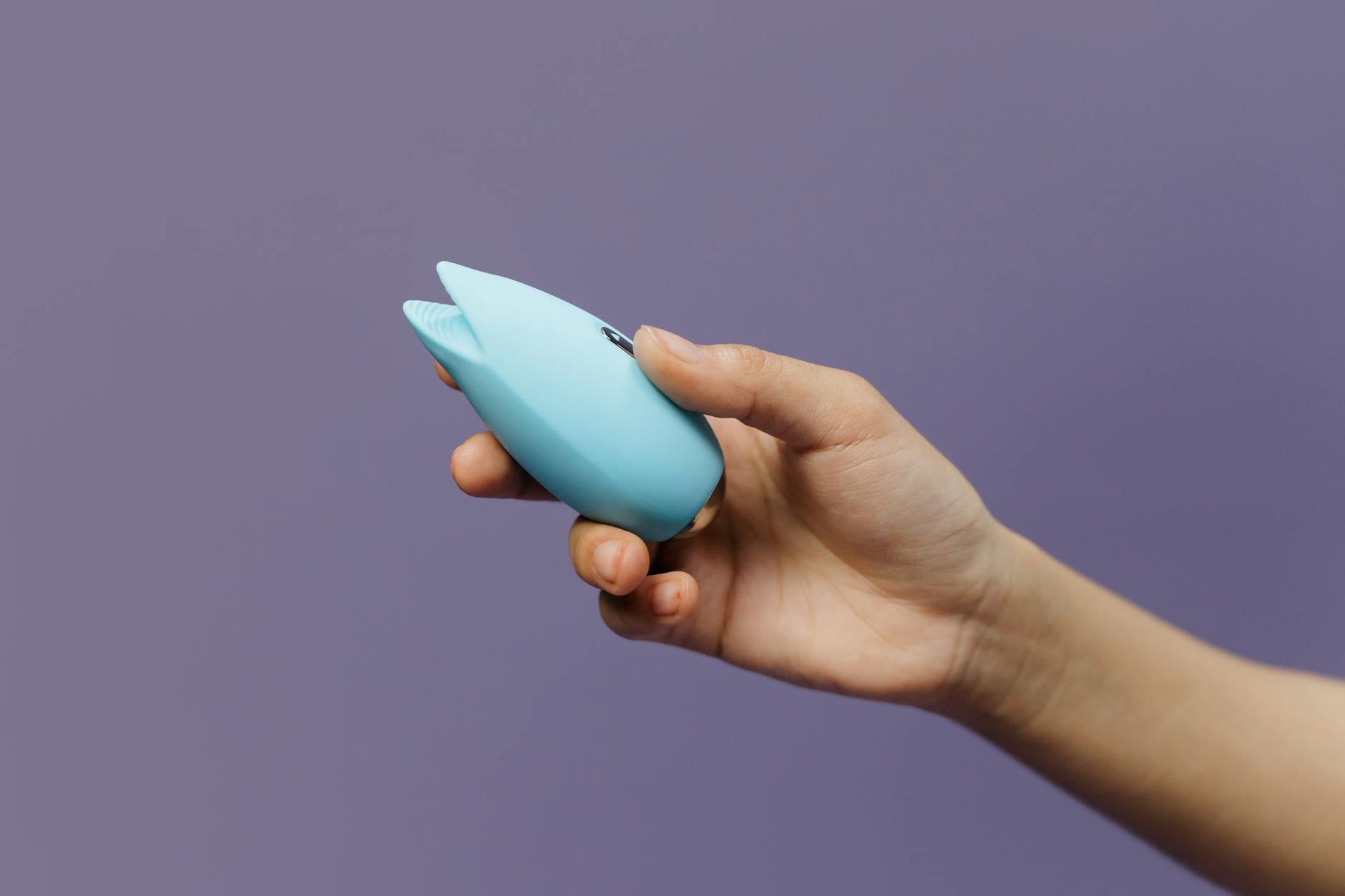
When hormones shift, sensation shifts too
Here's the thing nobody tells you straight: when your hormones change, pleasure doesn't disappear. It gets remapped. The pathways are still there, but the signaling feels different, sometimes muted, sometimes sharper, sometimes weird in ways you don't have language for yet.
If you're reading this, you've probably noticed it. Maybe sensation felt distant for months or years. Maybe it's starting to come back now, but it doesn't feel like it used to, and you're not sure if that's good or bad or just confusing. Both things are true: your body is different, and your capacity for intense, satisfying orgasms is absolutely still there.
What actually happens when hormones change
When hormones shift (whether from birth control changes, menopause, postpartum recovery, or other medical transitions), a few concrete things happen to genital tissue:
Estrogen supports blood flow to the clitoris. When it drops or fluctuates, that blood flow changes. The tissue gets thinner, less plump, sometimes less responsive to direct touch. Sensation might feel farther away, like you're experiencing pleasure through a thin layer of gauze.
Nerve sensitivity rewires, too. This isn't permanent damage. It's adaptation. The same nerves that used to fire quickly now take longer to activate, or they activate differently. Some people describe it as needing more intensity to feel the same sensation. Others say the opposite. Your experience is yours alone.
The clitoral hood might retract differently. Blood pools slower. Lubrication changes. None of this means you're broken. It means your body is operating under new parameters.
Here's what doesn't change: the clitoral nerve bundle is still there, still capable of firing, still able to generate orgasms. The brain's pleasure centers haven't gone anywhere. Your capacity hasn't diminished. It's just taken a detour.
Why a clitoral vibrator works differently now
Lemon vibrators, especially air-suction devices like those designed for sensitive tissue, work by stimulating the clitoris without requiring the same kind of sustained friction or direct pressure that might feel uncomfortable or ineffective on tissue that's experiencing change.
When sensation feels distant or muted, vibration can actually wake up nerve endings more effectively than manual stimulation alone. The pattern and intensity of vibration create a rhythm that your nervous system can follow even when baseline sensitivity has shifted.
Air-suction technology is particularly useful here because it doesn't depend on the tissue being thick or plump. It works with what's there. It creates suction and release, which stimulates the clitoris in a way that's often gentler than direct vibration but more targeted than broad massage patterns.
The key difference: you're not trying to recreate what used to work. You're learning what works now.
Three ways sensation changes after hormonal shifts
Sensation feels farther away. This is the most common complaint. Everything feels muted. You can feel touch, but it's like the pleasure signal is delayed or reduced. With clitoral vibrators, this usually means starting at lower intensities and building more slowly than you might have before. The Lemon vibrator's graduated intensity levels are helpful here because you can meet your body where it is, not where you expect it to be.
Sensation feels scattered. Instead of pleasure consolidating in one focused spot, it spreads out or feels jumpy. Patterns that used to feel amazing now feel chaotic. This is often easier to work with than muted sensation because you've got plenty of nerve activity happening. You just need to focus it. Using a suction vibrator on a single pattern, staying with it for longer, can help consolidate that scattered energy into something coherent.
Sensation feels sharp or almost painful at certain points. This usually means you need less intensity, not more. Hormonal tissue changes sometimes make high vibration intensities feel overwhelming or uncomfortable. Starting at the lowest setting and checking in with what your body is telling you matters here. There's no prize for cranking it to the highest level.
Rebuilding the connection between body and brain
After hormonal shifts, there's often a disconnection between what you expect to feel and what you actually feel. That gap creates frustration, and frustration kills arousal faster than anything else.
The practical workaround: stop expecting. Start exploring.
Set aside 15 to 20 minutes when you're genuinely interested in pleasure, not just trying to "make it work." No deadline. No goal of finishing. Start with the lowest vibration setting on your lemon vibrator and move it around. Notice what creates a spark. Maybe it's the side of the clitoris, not the tip. Maybe it's a specific pattern. Maybe it's the combination of suction and vibration versus vibration alone.
What you're doing is reverse engineering your own pleasure after the map has been redrawn. That takes time and curiosity, not pressure.
Building intensity gradually
One of the biggest mistakes people make after hormonal changes is jumping back to the intensity they used to enjoy. Your body isn't being stubborn. It genuinely can't process that much stimulation the same way right now.
Start at level 1. Spend time there. Maybe a whole session. Let your nervous system remember what arousal feels like at a lower volume. Then next time, try level 2. The progression feels slower than you want it to be. That's actually the point. You're rewiring sensitivity, not proving anything.
Many people find that after several weeks of this gradual approach, their sensitivity starts to increase naturally. Not because they're doing anything special, but because their body is relearning that pleasure is safe and regular and worth responding to.
Partner communication during this transition
If you have a partner, this is a conversation that needs to happen outside the bedroom first. "My body is responding differently right now" is information, not criticism. "I need to explore this solo first before we use toys together" is a valid boundary. "I might need you to slow down or use less pressure" is useful feedback.
The worst thing you can do is try to hide the transition and hope your partner doesn't notice. What usually happens instead is they interpret changed sensation as disinterest in them, when really you're just learning a new version of your own body.
If a partner is curious about joining in with lemon vibrators and clitoral toys, that works best after you've spent solo time figuring out what feels good. You're not asking them to be a therapist or a technician. You're inviting them into something you've already started exploring.
When sensation returns stronger
Here's something that doesn't get talked about enough: sometimes sensation comes back not as a return to what it was, but as something more intense.
This happens because the rewiring process can create new neural pathways. Some people report their strongest orgasms happening after hormonal transitions, not before. This isn't magic. It's just that when your body has to relearn pleasure from scratch, sometimes it learns it better.
Orgasms might feel more localized, more radiating, longer, shorter, or shaped completely differently than they used to. All of that is normal. You're not broken if it doesn't match your previous experience. You're just different now, and different can be better.
Troubleshooting common issues
Nothing's happening even after several tries. Give it more time. Weeks, not days. Hormonal shifts affect nerve sensitivity in ways that can take months to fully settle. You're not doing anything wrong. Your body is still recalibrating.
Vibration feels uncomfortable or slightly painful. Drop the intensity. If level 1 still feels too much, try short bursts instead of sustained vibration. Five seconds on, ten seconds off. Let your nervous system ease into it. If pain persists after a few weeks, check with a doctor. Sometimes hormonal shifts reveal underlying conditions like pelvic floor tension or vulvodynia that benefit from professional support.
I feel pressure to perform or "get back to normal." That pressure is the real problem, not your body. Forget normal. Your body is doing something entirely new and learning it requires patience.
The FAQ: Your questions answered
How long does it take for sensation to normalize after hormonal changes?
It varies widely, typically between 3 to 8 weeks for noticeable shifts, though some people experience changes for several months. This depends on the type of hormonal shift, your overall health, stress levels, and how your individual nervous system processes change. There's no timeline you should match. Your body's timeline is the right one.
Can lemon vibrators help during hormonal transitions even if nothing has worked before?
Yes. Many people find that clitoral vibrators work specifically because they stimulate nerves in a different way than manual stimulation or other toys. The suction and vibration combination is particularly effective when sensation feels distant or muted. Starting with low intensity and building gradually increases the chances of success.
Should I use my lemon vibrator differently than I did before the hormonal shift?
Almost certainly. You might need lower intensities, longer warm-up time, different patterns, or a focus on different areas of the clitoris. Treat it like rediscovering the toy for the first time, not like using it the way you always have. What worked before won't work the same way now.
Is it normal for orgasms to feel completely different after hormonal changes?
Yes. Orgasms can feel shorter, longer, more localized, more diffuse, sharper, duller, or completely different in quality. All of these are normal variations. Your nervous system is literally reorganizing how it processes sensation. That's going to show up in how pleasure feels.
Can stress make hormonal sensation changes worse?
Absolutely. Stress tightens the pelvic floor and activates your nervous system's threat response, which kills arousal. If you're dealing with major stress during hormonal transitions, that's a real factor in sensation changes. Managing stress through movement, sleep, and reducing pressure around sex helps tremendously.
What if sensation never comes back the way it was?
Then you get to discover something new instead. Some people experience a permanent shift in how pleasure feels after hormonal changes, and many describe the new version as better, just different. Your nervous system adapted. That adaptation is valid. Grieving what changed while staying curious about what's emerging is the healthiest path.
The practical next step
Start small. Choose a time when you're not stressed or rushed. Use your lemon vibrator at the lowest setting, with patience, with curiosity instead of expectation. Notice what your body tells you. Adjust accordingly. Repeat.
Sensation doesn't return on a deadline. It returns when your nervous system feels safe enough to respond again. The tools matter. The timing matters. The pressure you put on yourself matters most of all.
If you want to talk through your specific situation, reach out. That's what we're here for.