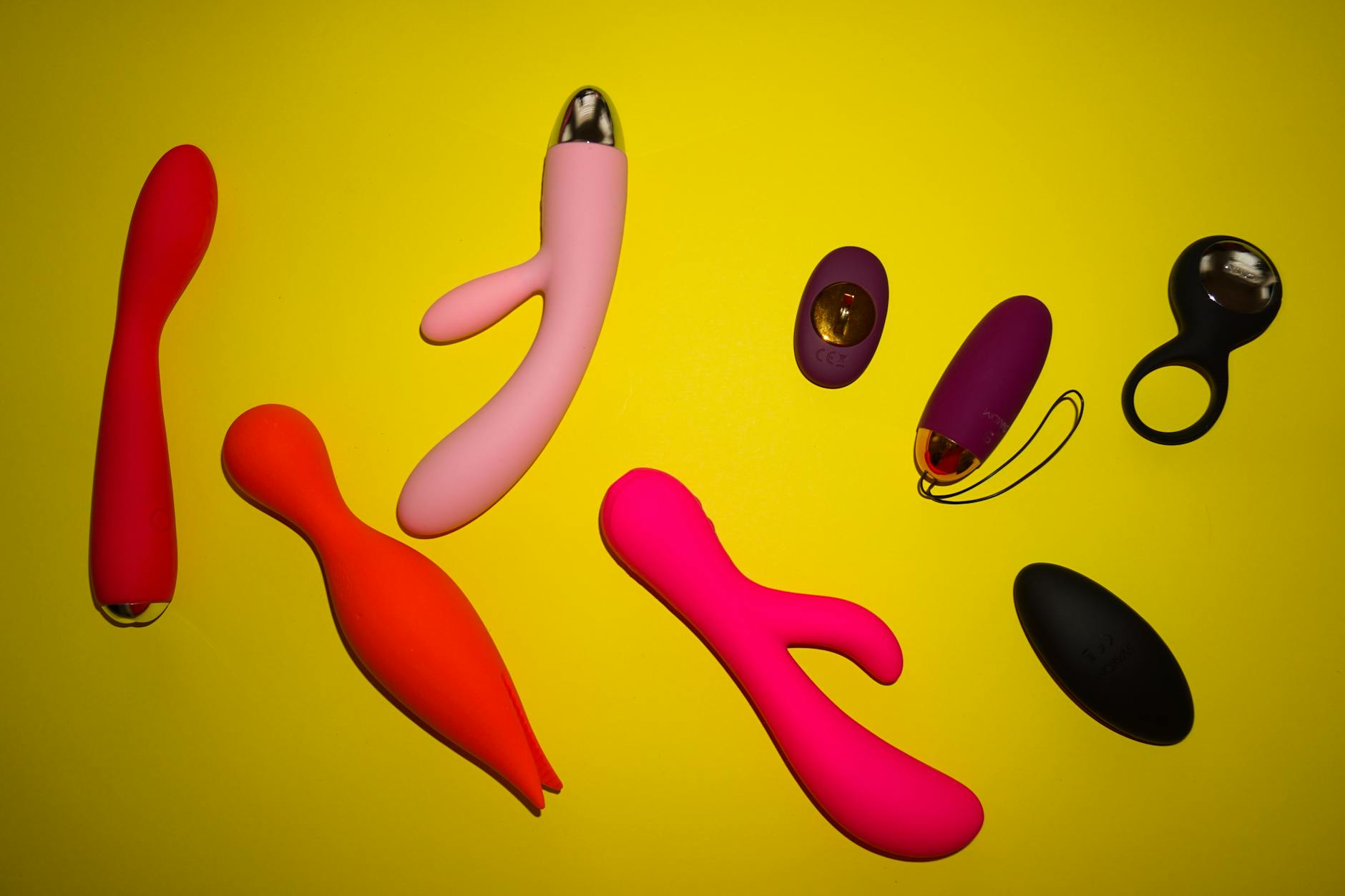
Let's talk about why traditional vibrators sometimes don't work after trauma
Trauma changes the nervous system. When your body has been unsafe, it learns to protect itself. That protection shows up as numbness, hypersensitivity, or a complete disconnect between arousal signals and physical response. A standard vibrator with direct pressure or intense buzz can feel invasive or overwhelming, which triggers the nervous system right back into protection mode.
The Lemon Clitoral Vibrator works differently. It uses air-suction technology instead of direct vibration. That distinction matters for trauma recovery because suction stimulates nerves without the penetrating pressure that can feel re-traumatizing to an oversensitive body.
How trauma affects clitoral sensation
Your nervous system has two branches. The sympathetic branch is your accelerator, responsible for arousal, pleasure, and excitement. The parasympathetic branch is your brake, keeping you safe. After trauma, the brake gets stuck.
When your body has learned that touch equals danger, the vagus nerve stays partially activated in a protective state. You might experience any of these: zero libido, numbness in the genitals, pain with penetration, difficulty orgasming, or arousal that vanishes the moment you try to hold it.
Here's what matters: this isn't broken. Your body is working exactly as designed. It's protecting you. That protection feels like malfunction, but it's actually your nervous system doing its job.
Why suction changes the game
Air-suction stimulation—the core technology of lemon adult toys like the Lem—works on a different principle than vibration.
Vibration creates repeated micro-impacts on tissue. For a nervous system already in protection mode, impact can register as threat. Suction, by contrast, creates sustained gentle pressure and rhythmic waves. It stimulates the same nerve endings but without the jarring sensation of physical vibration.
Research on clitoral anatomy shows that the clitoris has thousands of nerve endings concentrated in a small area. Traditional vibrators overwhelm those nerves with intensity. Suction distributes stimulation more broadly across the tissue, creating sensation that feels expansive rather than intrusive.
For someone rebuilding after trauma, that's the difference between feeling safe and feeling triggered.
The nervous system needs time to learn safety again
Trauma recovery isn't about forcing arousal. It's about teaching your body that pleasure is possible without danger.
Start with your lemon vibrator on the lowest settings. Many people recovering from trauma do best with pattern one or two on the Lem, held against the clitoris for just 30 seconds at a time. Yes, that short. Your nervous system needs to register "nothing bad happened" before it will relax enough for arousal to build.
Over weeks, gradually increase time and intensity. This isn't boring. This is active rewiring. Every time you experience gentle sensation without threat, your nervous system updates its safety map.
The timeline varies wildly. Some people see shifts in two weeks. Others need three months. Your pace is the right pace.
Practical setup for safety and success
Four things that matter more than the toy itself:
Environment control. Remove anything that could startle you. Close the door, turn off your phone, light a candle if that feels grounding. Your nervous system needs to know there are no surprises.
Slow warm-up. Spend 10-15 minutes touching your body—arms, thighs, breasts—before going anywhere near the clitoris. This tells your parasympathetic nervous system that touch equals safety.
Water-based lubricant. Clits are sensitive even without trauma. After trauma, they're hypersensitive. Lubrication reduces friction and creates a buffer between you and intensity. Use it generously.
A partner who knows the real deal. If you're with someone, they need to understand that this isn't about performance or speed. Let them know: you're retraining your nervous system. Some sessions will feel great. Some will feel like nothing. Both are progress.
What arousal actually looks like during recovery
Here's where most people get stuck: they're waiting for the old arousal pattern to return.
After trauma, arousal often rebuilds differently. You might notice a subtle tingle before anything else. Warmth. A shift in focus. These micro-signals are huge. They're your nervous system saying "maybe this is safe."
You might have five minutes of genuine arousal, then it vanishes. That's not failure. That's your nervous system getting tired from the work of staying present. Celebrate those five minutes. Do it again tomorrow.
Orgasm, if it comes, might feel different than before. More localized. More emotional. Quieter. All of that is normal. Your body is rewiring pleasure through a new nervous system state.
Most trauma survivors report that the first orgasms after recovery are more intense than they expected, not less. Your body has been offline. When it comes back online, the sensation can be almost overwhelming. That's healing.
When to pause and seek support
If penetration of any kind—the toy, a finger, anything—creates sharp pain or an overwhelming sense of being trapped, pause. That's your nervous system saying it needs more time.
If you experience flashbacks during pleasure, that's important data. It means arousal is activating a memory. This is treatable with a trauma-informed therapist, but it's not something you should push through alone.
If desire simply doesn't return after six months of gentle, consistent practice, talk to a sex therapist or trauma specialist. Sometimes medication changes, hormone levels, or deeper somatic work is needed. That's not failure either. It's just information.
Building confidence in your body again
Trauma tells you that your body can't be trusted, that pleasure is dangerous, that wanting something makes you vulnerable.
Every time you use a lemon vibrator safely, you're gathering evidence against that story. You're building a new neural pathway that says: "I can feel pleasure. I can be present. I can be touched and remain safe."
That rebuild takes patience. But it works. Thousands of people who thought pleasure was permanently offline have rebuilt arousal, rebuilt orgasm, and rebuilt confidence in their bodies using exactly this approach. You can too.
Frequently asked questions
Can I use a lemon clitoral vibrator if I have PTSD related to sexual trauma?
Yes, but with care. PTSD changes how the nervous system processes sensation. Many people with sexual trauma find air-suction vibrators significantly less triggering than traditional vibrators because the sensation is gentler and doesn't mimic penetration. Start with the lowest setting, shortest duration, and increase only as your nervous system signals readiness. If any sensation triggers a flashback, pause and work with a trauma-informed therapist to determine whether the toy itself is the issue or whether you need additional support for nervous system regulation.
How long before lemon vibrators feel good if I'm recovering from trauma?
There's no standard timeline, but most people notice a shift within 2-4 weeks of consistent, gentle use. "Consistent" means two to three times a week, not daily. Your nervous system needs time between sessions to integrate the experience of safety. Some people feel shifts within days. Others need two to three months. Patience with your own pace is part of the healing.
Why does the air-suction technology work better than regular vibration for trauma recovery?
Trauma leaves the nervous system primed for threat. Direct vibration can register as impact or intrusion, reactivating protection responses. Air-suction creates sustained, rhythmic pressure that stimulates nerve endings without the jarring sensation of vibration. It feels gentler, more expansive, and less likely to trigger a protective response. That gentleness creates space for arousal to build safely.
What if my partner wants to help, but I'm nervous about being touched during trauma recovery?
Communication first. Tell your partner: "I'm rebuilding my relationship with pleasure. That might look slow. It might not look like arousal at first. If I ask you to stop, it's not about you." Many couples find that using lemon adult toys in a non-goal-oriented way actually helps rebuild emotional intimacy alongside physical sensation. The toy becomes a neutral bridge between you, removing pressure from your partner to perform or fix anything.
Can sensitivity return completely after trauma numbs the clitoris?
Yes. Clitoral numbness is almost always reversible. The nerves aren't damaged. The nervous system is just in protection mode. As you rebuild safety—through therapy, somatic work, and gentle pleasure exploration—sensation returns. Many people report that their sensitivity actually sharpens during recovery, not because the nerves change but because their ability to feel and process sensation improves.
Should I combine lemon vibrators with therapy for trauma recovery?
Ideally, yes. A sex therapist or trauma-informed therapist can help you understand what's happening in your nervous system and give you tools for staying present when arousal starts to build. Toys are powerful tools, but they work best as part of a broader healing practice that includes therapy, grounding techniques, and patience. The Lem isn't a replacement for professional support. It's a partner to it.
You're rewiring, not repairing
Trauma doesn't break the pleasure system. It just reroutes it. Using lemon vibrators as part of your recovery isn't about forcing sensation back. It's about teaching your nervous system that pleasure is possible without danger.
Start slow. Stay patient. Let your body surprise you. If you have questions about your specific situation, or if you're not sure where to start, reach out to a sex therapist or our team at The Lemon Adult Toy. Healing happens in community, not alone. You deserve support, and you deserve pleasure.